By 2030, the world promises universal access to safe water and sanitation. Africa is nowhere near that goal. The response from the development establishment is predictable with more partnerships, more innovation, more blended finance.
But what if the problem is not a lack of innovation?
What if the real issue is that we are financing water as a commodity, not as care?
Water is political.
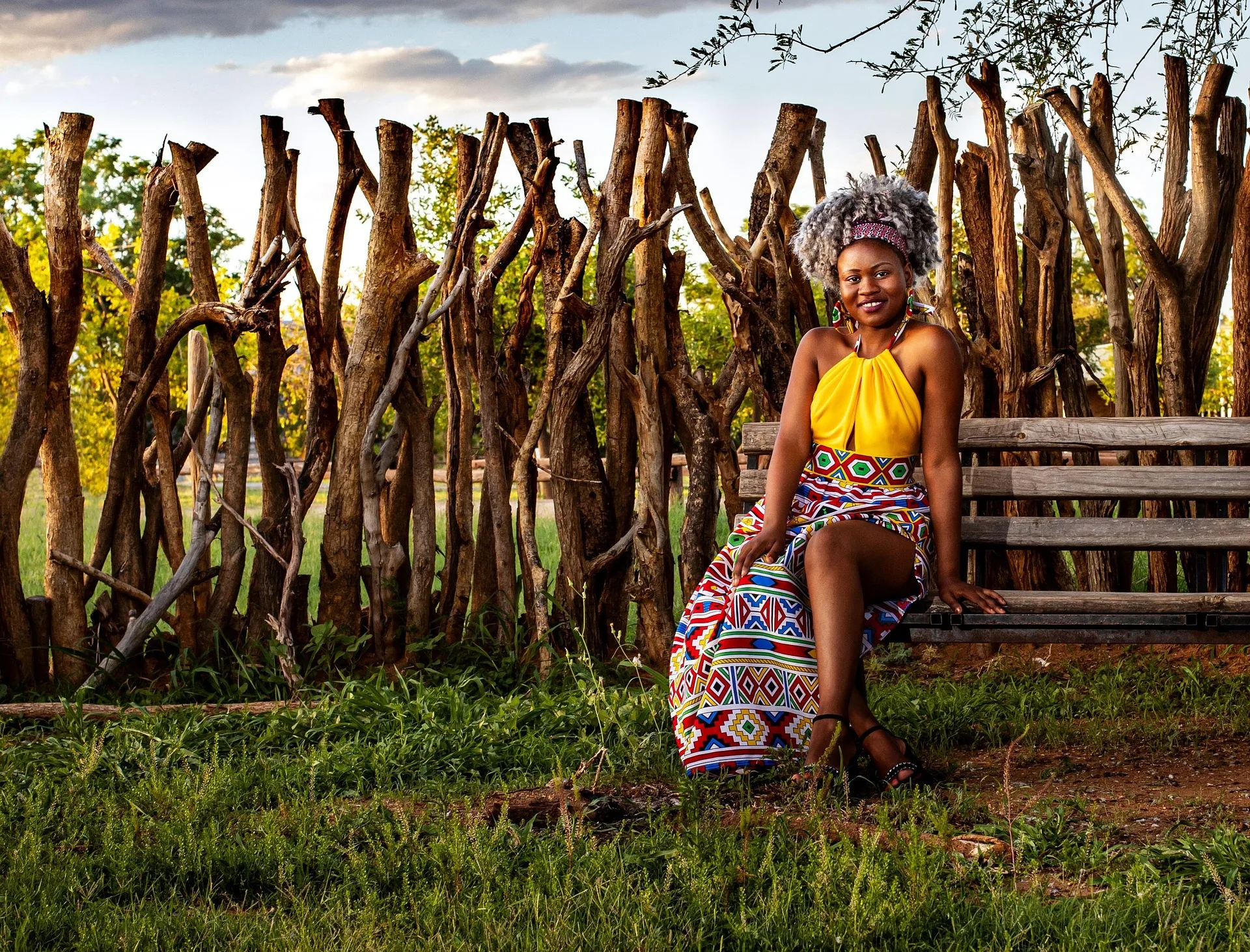
Across the continent, women wake before dawn to fetch water. Girls miss school because of poor and unsafe sanitation facilities. Women-run households spend scarce income buying water from informal vendors at prices far higher than the piped supply. When systems fail, it is women’s unpaid labour that fills the gap.
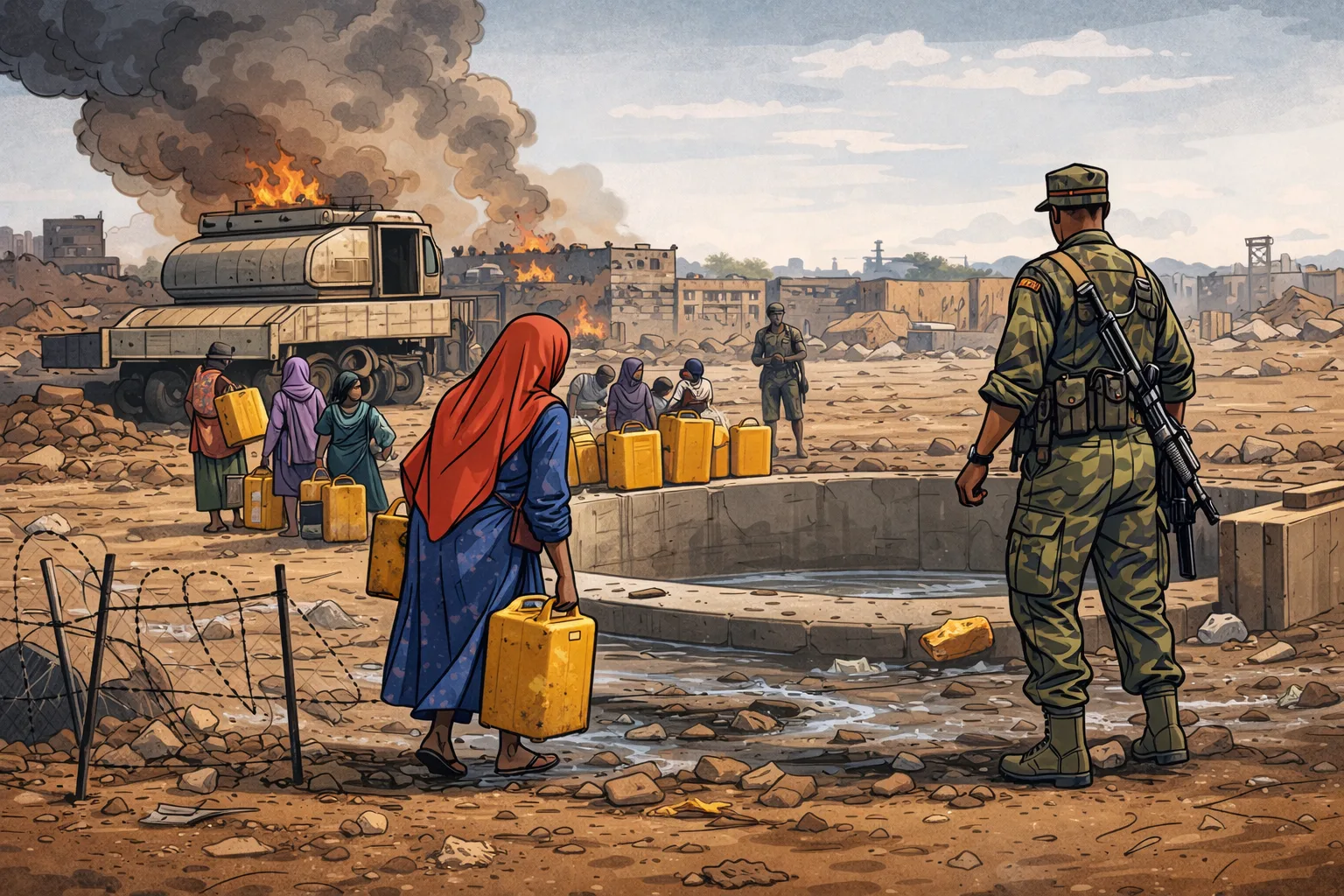
In parts of the Sahel, the Horn of Africa, eastern Democratic Republic of Congo, northern Mozambique, and Sudan, control over water points determines who survives, who moves, and who negotiates. Sanitation collapses under displacement. Women and girls walk farther, risk more, and carry heavier burdens.
Yet, when financing decisions are made, women are rarely in the room. Ministries of Finance negotiate debt ceilings. Donors design results frameworks. Private investors seek returns. Meanwhile, women’s movements are invited to participate, often after the money has already been allocated.
Blended finance is often celebrated as the solution. This means that public money is used to leverage private capital for infrastructure. But water systems are not toll roads. When returns become the metric of success, services shift toward those who can pay. Without explicit redistribution, blended finance risks becoming a public subsidy for private investors.
In fragile contexts, the weaknesses of popular financing tools become stark. Blended finance retreats from risk. Private investors avoid areas where conflict undermines revenue certainty. As a result, blended finance often concentrates in relatively stable urban centres, bypassing conflict-affected communities, precisely where public investment is most needed.
The poorest women, those in informal settlements, conflict settings, or rural areas, are deemed non-bankable. Their needs are sidelined because they do not generate predictable revenue streams.
Similarly, results-based financing sounds efficient by encouraging paying for outputs and rewarding performance. But whose results count? Boreholes drilled? Connections made? Rarely do these indicators measure time saved for women, safety from harassment, or functionality five years after ribbon-cutting ceremonies. We are measuring pipes. We are not measuring justice. Verification systems depend on stability. In conflict zones, displacement and insecurity make monitoring difficult.
The conversation we avoid is redistribution. If water and sanitation are foundational to health, education, and economic participation, then financing them is not charity, it is a question of fiscal justice. This means putting WASH squarely in national budgets, not off-budget donor projects; involving ministries of finance as central partners, not bystanders; protecting domestic fiscal space from debt and austerity pressures that squeeze social infrastructure and funding feminist organisations to shape, monitor, and contest WASH spending.
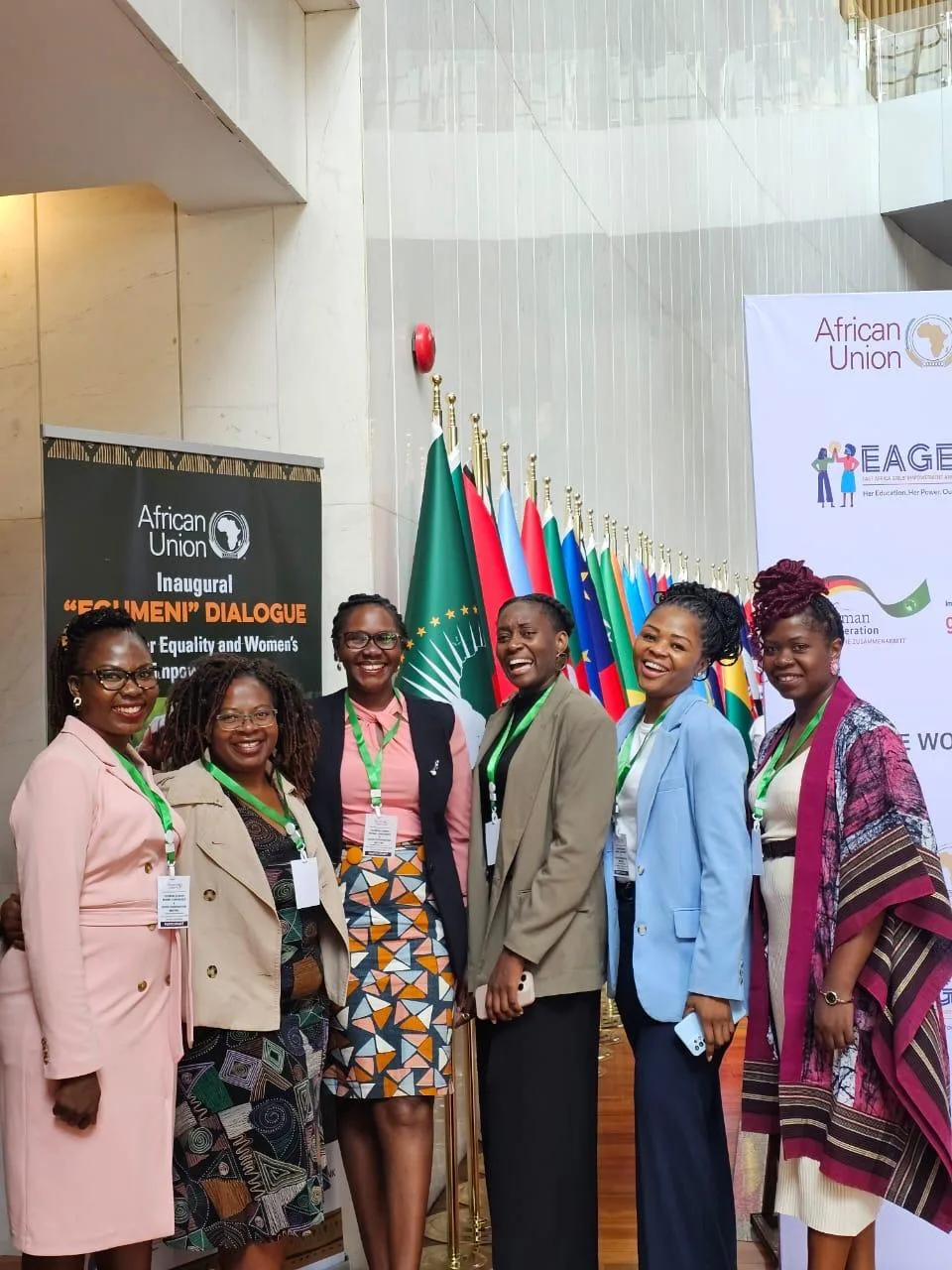
As the African Union has designated 2026 as the year of assuring sustainable water availability and safe sanitation systems to achieve the goals of Agenda 2063, we must rethink how change is resourced. It demands
Long-term, flexible funding for women’s movements, not just for service delivery, but for governance and oversight.
Pooled funds governed transparently, with seats for civil society and feminist actors
Accountability that flows downward to communities, not only upward to donors.
Indicators defined by lived experience: dignity, safety, time, sustainability.
Imagine if water budgeting were debated as fiercely as national security. Imagine if women’s collectives had formal authority over local water planning. Imagine if debt negotiations explicitly protected social infrastructure spending. Imagine if maintenance, not ribbon cutting, was politically rewarded.
Africa does not lack partnerships. It lacks partnerships brave enough to shift power. It does not lack innovation. It lacks redistribution.Water is not neutral. It is political. And until financing reflects that reality, universal access will remain a promise deferred.