On Friday, August 15, 2025, Nigeria validated and launched its first-ever nationwide Menstrual Health
and Hygiene Management (MHHM) Policy, becoming the first African country to do so. This policy is
celebrated as a milestone in public health and as the outcome of decades of women’s organizing that
pushed governments to recognize menstrual health as central to dignity, equality, and justice. By placing
menstrual health on the national agenda, Nigeria signals that what has long been treated as a private
matter is, in fact, a public priority.
For too long, millions of women and girls have faced exclusion from schools, workplaces, leadership, and
governance because of stigma, lack of access to products, and unsafe facilities. Menstrual health is
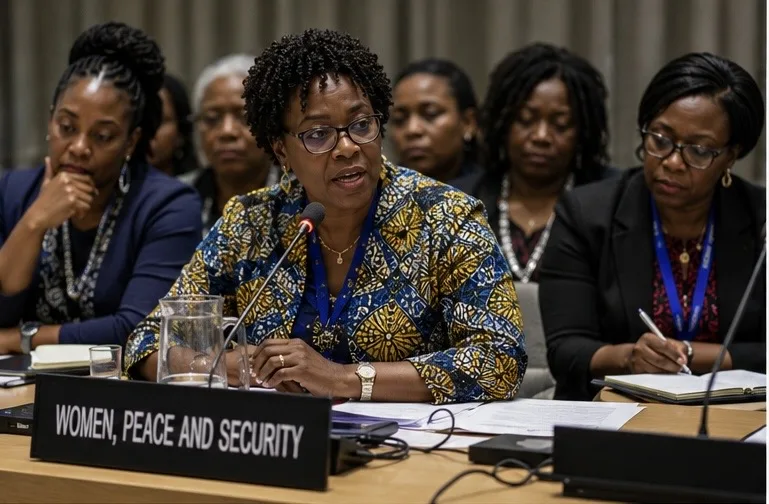
rarely discussed within the Women, Peace, and Security (WPS) agenda, yet it directly cuts across its four
pillars. When girls miss school because of inadequate menstrual support, their future participation in
decision-making and leadership, including in peace processes is curtailed. For women in conflict zones
and displacement camps, the absence of safe facilities not only limits their ability to participate in
governance but also exposes them to harassment, gender-based violence, and disease, undermining
both their protection and their agency.
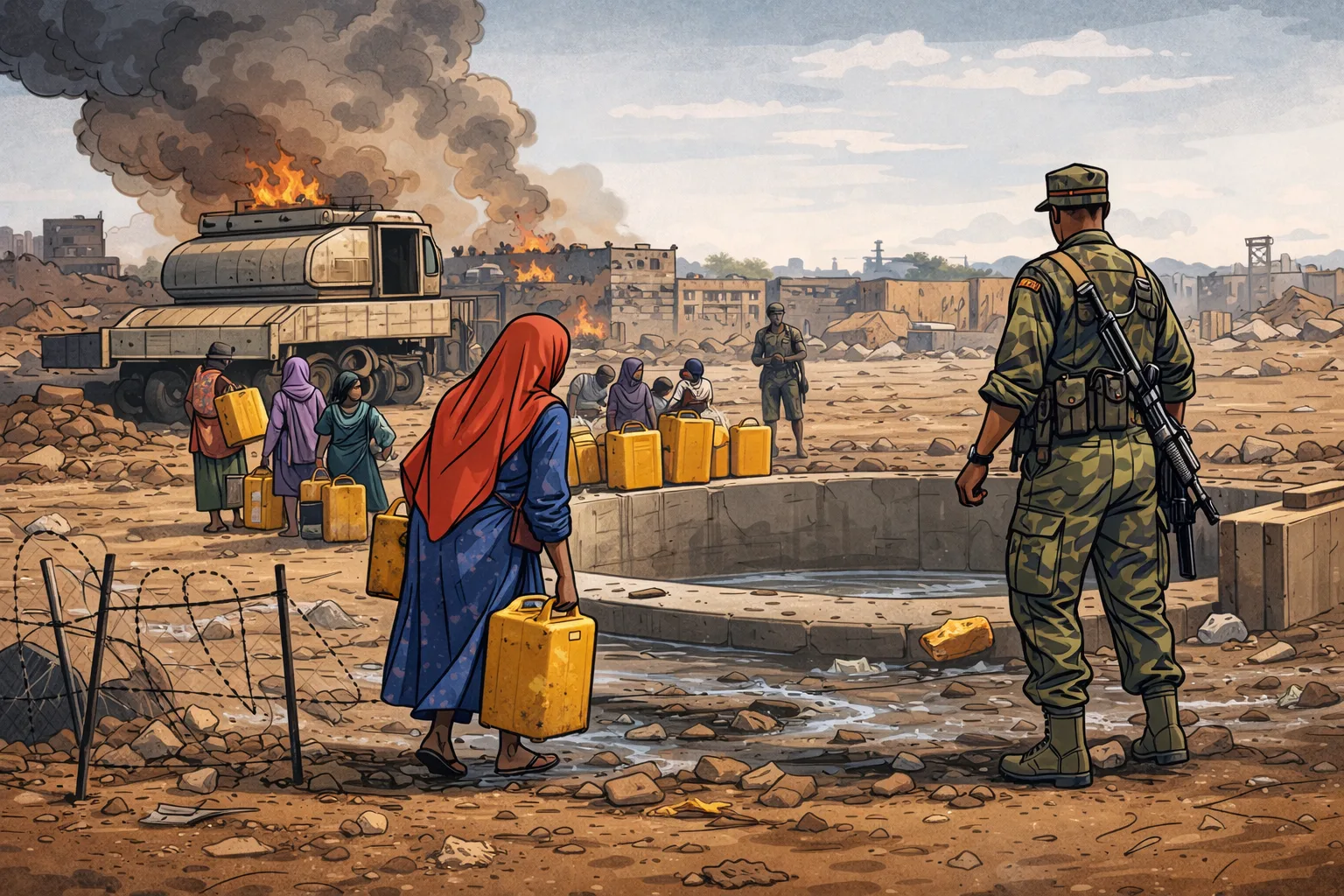
In Sudan, for example, REWiB’s research on displaced women in Port Sudan revealed that the war has
left most reproductive health facilities non-functional, forcing women to rely on unsafe birthing
methods and to improvise menstrual materials like cloth. Many women and girls reported harassment
and violence when seeking healthcare, while school-aged girls lacked even the most basic hygiene
supplies. Menstrual insecurity in these contexts deepens cycles of vulnerability exposing women to
gender-based violence in camps, eroding their dignity, and locking them into structural inequality that
fuels marginalization and, ultimately, conflict.
This new policy commits to changing this reality through education, awareness, and investment in safe
and affordable menstrual care. For women and girls, this could be transformative. It promises to reduce
absenteeism in schools so more girls can finish their education, ease the financial strain on families by
ensuring access to affordable products, and expand safe WASH facilities in schools, workplaces, and
displacement camps. In these spaces, especially for displaced populations, menstrual dignity is not just a
matter of health but a necessity for protection, inclusion, and recovery.
What makes Nigeria’s step unique is its integration of menstrual health into a national framework,
rather than leaving it to fragmented donor programs. By embedding menstrual dignity into education,
health, and peacebuilding strategies, the policy recognizes it as a systemic priority and as part of
breaking cycles of marginalization. Nigeria sets a precedent for other countries, and for conflict-affected
contexts such as Sudan, where women’s dignity is further stripped away during war, as highlighted in
REWiB’s findings. Crucially, menstrual dignity must also be embedded in humanitarian aid standards,
ensuring that women in crises are not forced to choose between their safety and their basic needs.
Ultimately, this new policy demonstrates that menstrual health is not simply a matter of hygiene, but of
dignity, equality, and peace. It is a reminder that peacebuilding begins not only at negotiation tables but
also in classrooms, camps, workplaces, and every space where women and girls claim their right to live
free of stigma and exclusion. Positioning menstrual dignity as a humanitarian and post-conflict recovery
necessity strengthens not only individual rights but the foundations of inclusive peace and justice.
By Lorraine Mashizha